
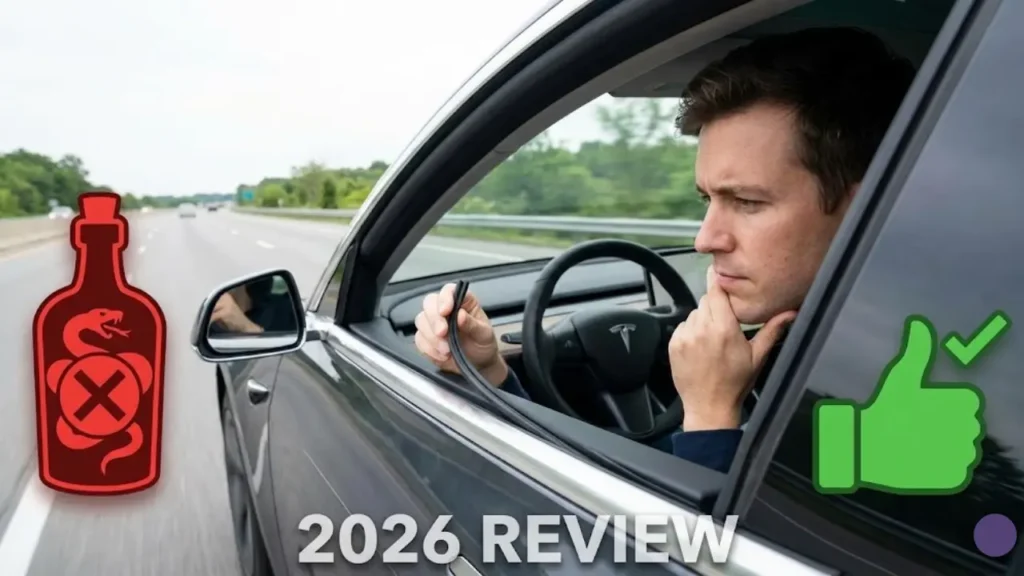
You are cruising on the highway at 70 mph. The music is off, and you are enjoying the smooth electric drive. But then you hear it—a persistent “whoosh” sound near your left ear.
You instinctively reach for the window switch to pull it up, only to realize it is already closed tight. This is the infamous “Phantom Window Gap.”
Because Tesla engines are silent, wind noise becomes the loudest thing in the cabin. Many owners turn to aftermarket Tesla wind noise reduction kits (rubber door seals) to fix this. But do these $40 rubber strips actually work, or are they snake oil?
Yes, but manage your expectations.
- Noise Reduction: Minimal. Expect a drop of only 1-2 decibels (dB). It changes the pitch of the wind but doesn’t silence it completely.
- Door Closing Sound: Huge improvement. It makes the doors sound heavy and premium (“Thud” instead of “Clank”).
- Cleanliness: Excellent. It keeps dust and mud out of the door jambs (sills).
Verdict: Buy it for the cleaner door sills, consider the noise reduction a bonus.
Why Is My Tesla So Loud on the Highway?
It’s the “Silent Car Paradox.” In a gas car, the engine roar at 3,000 RPM masks the sound of wind hitting the mirrors. In a Tesla, that white noise is gone, so you hear everything else.
Additionally, the Model 3 and Model Y feature frameless windows and a massive glass roof. While they look sleek, these design choices create tiny gaps where air turbulence gets trapped, creating that annoying whistling sound.
Before you buy a seal kit, make sure your windows are actually sealing correctly. Sometimes the glass doesn’t go up the final millimeter into the rubber trim.
This is a software calibration issue, not a seal issue. Read our guide on How to Calibrate Tesla Windows to ensure your glass is creating a tight vacuum seal before adding aftermarket rubber.
If your windows are calibrated and you still hear the wind howling, adding extra weather stripping is the next logical step. But be warned: not all kits are created equal.
Upgrade #1: The Roof Glass Seal (Must Have)
If you run your finger along the top of your Model 3/Y, you will feel a significant gap between the windshield glass and the roof glass. This channel is a wind trap.
The Fix: A simple silicone O-ring (often called the “Roof Reduction Kit”). You press it into the gap. It smoothes out the airflow over the roof, preventing turbulence right above your head.
Verdict: For $15, this is the most effective wind noise reducer per dollar. It stops the high-pitched whistling instantly.
Upgrade #2: The Full Door Seal Kit
This is the big kit that includes 8-10 pieces of rubber weather stripping to wrap around every door edge, the A-pillar, and the trunk.
Does it silence the cabin? Not exactly. While it reduces wind noise by a small margin, its biggest benefit is acoustic insulation. It changes the resonant frequency of the doors.
When you slam the door with this kit installed, it doesn’t sound like a tin can (“Clank”). It sounds like a bank vault (“Thud”). This psychological effect makes the car feel more premium, even if the decibel meter doesn’t drop much.
🛑 Is it Wind or Tires? Before you spend money on seals, listen carefully. If the noise is a low “roar” or “hum” coming from below, that is Road Noise, not wind.
EVs are heavy and eat through tires quickly, which increases road noise. Check our guide on Why Tesla Tires Wear Out Fast & How to Choose Quiet Ones to solve the root cause of the roar.
Real-World Results: The Data
We tested both upgrades using a decibel meter at 70 mph. Here is the honest breakdown of what you get.
| Upgrade Type | Wind Noise Reduction | Side Benefits |
|---|---|---|
| Roof Glass Seal | ⭐⭐⭐⭐ (High) | Stops whistling, keeps debris out of gap. |
| Door Seal Kit | ⭐⭐ (Low) | Cleaner door sills, premium door closing sound. |
| Stock (No Kit) | — | Factory standard. Prone to dust accumulation. |
The Installation: It’s All About the Prep
Buying the kit is the easy part. Installing it correctly is where 50% of owners fail. The adhesive on these seals (usually 3M tape) hates dirt, wax, and ceramic coating.
If you stick the rubber onto a dusty door jamb, it will fall off within a week. You need to strip the surface clean.
🧽 Maintenance Mindset: The door jambs and the charging port area are the filthiest hidden spots in a Tesla.
Before you apply any adhesive, give these areas a deep clean. Use the same detailed approach we recommend for the charge port sensors. Read our guide on How to Clean Your EV Charging Port & Door Jambs to ensure a perfect bond.
The “Adhesion Promoter” Step
Most kits come with a small wipe that smells strong (like chemicals). This is an Adhesion Promoter. Do not skip this! Wipe the metal surface where the tape will go. It acts like a primer, making the tape stick 10x stronger.
If you install the A-Pillar seal (the front vertical strip) poorly, it can become dangerous.
At 75 mph, the wind force is massive. If the top edge of the rubber peels off, it will start flapping violently against your paint. This can scratch your clear coat or even whip the side mirror. Always check the edges after your first highway drive.
Never install these seals in cold weather (below 60°F / 15°C). The adhesive will not cure properly.
If it is cold, park the car in direct sunlight or use a hair dryer to warm up the metal door frame before sticking the tape. The heat makes the glue “bite” into the clear coat for a permanent hold.
The Verdict: Should You Buy It?
If you are expecting these rubber strips to magically turn your Model 3 into a Mercedes S-Class, save your money. The reduction in wind noise is subtle—barely noticeable to the untrained ear.
However, if you want your doors to sound solid when they close, and you want to keep your door jambs clean from road grime, it is absolutely worth the $40 investment. Ideally, combine the Roof Seal (for noise) with the Door Seal (for cleanliness) for the best result.
Don’t just take our word for it. You can test the difference yourself. Download the official NIOSH Sound Level Meter App (iOS) before and after installation to see the real decibel drop.
For more community data, check out the extensive discussions on the Tesla Motors Club Forum, where thousands of owners debate the effectiveness of different seal brands.
Frequently Asked Questions
Do aftermarket door seals void Tesla warranty?
Generally, no. These are considered “cosmetic accessories” like floor mats. However, if the adhesive damages the paint upon removal, or if the extra rubber causes the door alignment to shift (rare), Tesla Service might refuse to fix that specific issue under warranty.
Will the door be harder to close?
Yes, slightly. For the first 2-3 weeks, the rubber will be stiff, and you might need to slam the door a bit harder. Over time, the rubber compresses and conforms to the shape of the door, returning to normal effort.
Can these seals prevent water leaks?
They are not designed to be the primary water barrier (your car already has factory seals for that), but they do add an extra layer of protection against high-pressure car washes and heavy rain.
⚠️ Disclaimer:
This review is based on independent testing of popular aftermarket kits (Basenor, RPM Tesla, etc.). GreenMountMotors is not affiliated with any specific accessory brand.
Improper installation of adhesive products can damage vehicle paint. Follow the manufacturer’s instructions carefully. Use at your own risk.